


+70
°
F
+74°
+58°
Niagara Falls
Thursday, 16
See 7-Day Forecast
Featured News - Current News - Archived News - News Categories
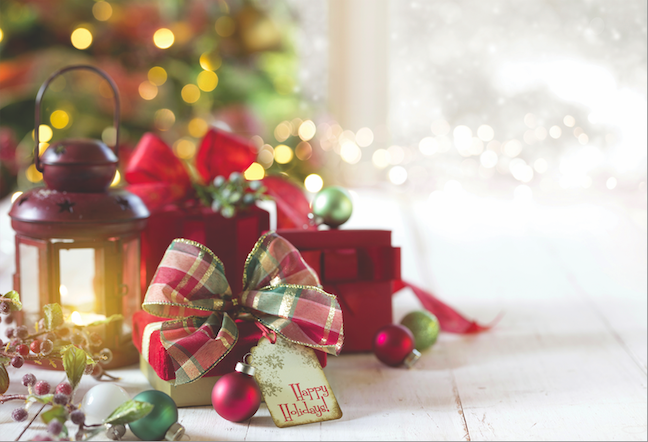
How fast can a Christmas tree turn from festive to tragic? Seconds!
√ Christmas tree fires more common between 3 p.m. and midnight, accounting for one-half of associated fires
Submitted by the Firefighters Association of the State of New York
The Firefighters Association of the State of New York (FASNY) is reminding people of the dangers they need to be aware of and the ways they can keep their families safe this holiday season.
The possibility of a Christmas tree fire is not at the forefront of most people’s minds when they are decorating with beautiful lights and ornaments. But, tree safety should be considered and taken seriously, as U.S fire departments responded to an average of 328,590 home structure fires between 2019-23 that resulted in an annual average of 2,600 civilian deaths, 10,770 civilian injuries, and $8.9 billion in direct property damage.
Fresh Christmas trees are the leading cause of these fires compared to artificial trees, as they are more flammable because of their ability to dry out faster. Keeping your tree hydrated and not allowing it to dry out is key. Additionally, pay attention to decorative lighting and electric cords to ensure they are not faulty or overloaded. And remember, artificial trees can catch fire – and heat sources such as scented and menorah candles can ignite combustible materials quickly.
“As we start to celebrate the holidays, we want to remind New Yorkers to make safety a top priority,” said Eugene Perry, FASNY president. “Spend a few extra minutes taking smart steps to protect your homes, inspect your Christmas trees and holiday decorations to prevent tragedy during what should be a joyful time.”
New York state ranks high in the nation in home fire deaths at 107 deaths in 2025, according to the U.S. Fire Administration.
FASNY urges New Yorkers to follow these simple tips during the holiday season to make their homes fire safe:
•For a fresh tree, cut 2 inches (5 cm) from the base of the trunk before placing it in the stand. Add water daily to keep the tree well hydrated.
•Trees should be placed at least 3 feet (1 m) away from any heat source, such as fireplaces, radiators, candles, heat vents, or lights.
•Make sure the tree is not blocking an exit, such as a door or window.
•Ensure that decorative lights are in good working order and used in accordance with the manufacturer’s instructions.
Lastly, according to the NFPA, statistics regarding Christmas tree fires in US homes include these key findings (2018-22):
•Christmas tree fires are more common between 3 p.m. and midnight, accounting for one-half of associated fires. Another 26% of fires occurred between 9 a.m. and 3 p.m.
•Approximately two of every five home Christmas tree fires started in the living room, family room or den.
•Electrical failures or malfunctions were factors in more than one-third (34%) of Christmas tree fires.
•In one-fifth (20%) of Christmas tree fires, some type of heat source was placed too close to the tree.
Since its founding in 1872, the Firefighters Association of the State of New York has been dedicated to supporting and advocating for the state’s volunteer firefighters. Through training, education, and legislative advocacy, FASNY plays a critical role in enhancing the safety and effectiveness of New York’s volunteer fire service. FASNY is also deeply involved in public fire safety education and providing resources to help protect communities across the state.


























1859 Whitehaven Road, Grand Island, NY 14072
Phone: 716-773-7676
Fax: 716-773-7190