


+70
°
F
+74°
+58°
Niagara Falls
Thursday, 16
See 7-Day Forecast
Featured News - Current News - Archived News - News Categories
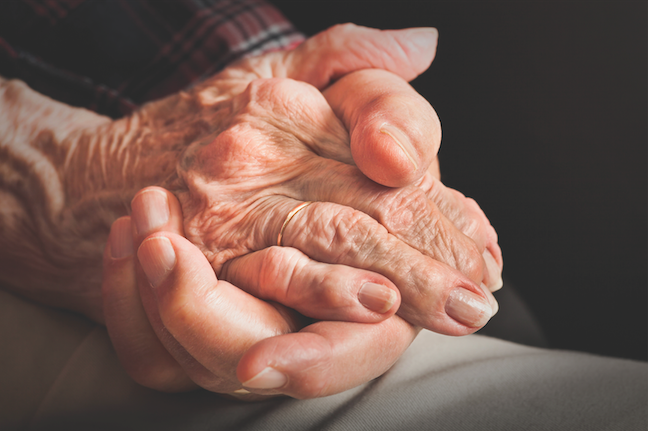
New York State Department of Health, Office for the Aging & Department of State collaborate with stakeholders to develop first master plan for aging
Submitted by the Office of Gov. Kathy Hochul
Gov. Kathy Hochul released the final report for New York’s first master plan for aging. The MPA final report contains more than 100 proposals directed toward all levels of government, the social sector and private enterprise, all with the aim of helping individuals age with dignity, independence and the support they need and deserve to thrive.
“Every New Yorker should be able to age with dignity and independence," Hochul said. "The master plan for aging builds on our ongoing efforts to empower older adults and advance New York’s status as an age-friendly state. I thank the hundreds of stakeholders, state agency staff and partners who worked to develop these proposals, and look forward to reviewing the report."
The report’s release was accompanied by a newly unveiled MPA website featuring the complete report and a sortable library of its 100-plus proposals, available in multiple languages at https://planforaging.ny.gov/.
The MPA advances goals outlined in the governor’s 2022 State of the State address and fiscal year 2023 executive budget. It was formally established by executive order No. 23, signed in November 2022.
The MPA, led by the New York State Department of Health, the New York State Office for the Aging, and the New York State Department of State, is the product of a collaborative effort with dozens of stakeholders inside and outside of government.
New York has the fourth-largest population of older adults in the U.S., with 3.2 million individuals – about 16% of the population – over age 65. The state’s population of those over the age of 60 is projected to grow to 5.3 million by 2030, with those over 80 years of age exceeding 1.2 million – growing faster than any other age group in some areas of the state. By 2030, older adults will make up 25% to 30% of the population in most New York counties.
Hundreds of stakeholders participated in a process of MPA workgroups to develop the MPA final report proposals. Organized into eight subcommittees and over 34 workgroups, the stakeholders coalesced around nine overarching pillars, which were:
√ Affordability of basic necessities
√ Informal caregiver and workforce support and modernization of community-based aging network service
√ Modernization and financial sustainability of health care, residential facilities and community-based aging network service providers
√ Prevention, wellness promotion and access
√ Housing access and community development
√ Access to services in and engagement with historically underserved communities
√ Social engagement of older adults
√ Combatting elder abuse, ageism, ableism and stigma
√ Technology access and development
New York State Department of Health Commissioner Dr. James McDonald said, “The master plan for aging was created by New Yorkers, for New Yorkers, so we can age successfully and independently – on our terms – right here in New York.”
New York State Office for the Aging Director Greg Olsen said, "The final master plan for aging is a true triumph of collective problem-solving. Under the vision of Gov. Hochul, the MPA has brought together hundreds of the brightest and most accomplished minds from diverse fields and sectors – all contributing their talent to create this historic roadmap for an age-friendly New York. The master plan for aging outlines over 100 proposals, each holding the promise to make a real difference in the lives of individuals as they age. Just as importantly, this document assesses the potential challenges, opportunities and pathways for action on each proposal, making it both visionary and practical. I applaud Gov. Hochul, our state agency partners, the stakeholders and the public for their contributions to this historic outcome for older adults in New York State.”
New York Secretary of State Walter T. Mosley said, “Gov. Hochul’s ongoing commitment to the lives of older New Yorkers is on full display with this comprehensive master plan for aging, which will guide aging policy in the state well into the future. The way we plan and develop our communities has a tremendous impact on the health, safety and quality of life of older New Yorkers. The Department of State was proud to have played a pivotal role in the development of the master plan for aging, with our partners at Department of Health and state Office for the Aging. We stand ready to support the next phase of plan implementation through our planning and development programs, like the Downtown Revitalization Initiative, NY Forward and Smart Growth, which create livable communities for people of all ages and abilities.”
The MPA builds upon New York's status as a nation-leader in aging policy, as evidenced by New York’s designation as the first age-friendly state in the nation by AARP. This designation recognizes the state’s commitment to addressing “the environmental, economic and social factors that affect the health and well-being of older adults.”
The 100-plus proposals presented in the MPA final report explore multiple approaches that address the built environment and infrastructure, transportation and transit, financing of care and services, recruitment and retention of the long-term-care workforce, licensing and training, pilot initiatives that can bring together providers and community services, innovations in care and service delivery, public-private partnerships, and many more.
The MPA process is already having an impact. The FY 2026 enacted state budget includes $45 million in additional funds to expand community-based aging services offered through Area Agencies on Aging – a critical priority identified by the MPA. This funding will help to reduce waiting lists for services such as home-delivered meals, assistance from personal care aides for activities of daily living, transportation assistance, home adaptations, case management to assist with person-centered resources, and other community-based supports. Going forward, the MPA provides a range of strategies for state agencies, the Legislature, stakeholders and partners to consider as New York pursues policies, programs and collaborations that will benefit older adults and their families.
The MPA final report builds on the MPA preliminary report issued in August of 2023 and interim report issued in October of 2024.
The MPA Council, which is made up of New York state executive agencies, will continue to engage stakeholders from groups and communities across the state, and coordinate efforts across state agencies to ensure that policy and programs supporting New York’s aging population are moving forward.
The master plan for aging final report can be found here.
New York State Department of Health First Deputy Commissioner and Chief Medical Officer Dr. Eugene Heslin said, “The master plan for aging process brought together public and private sector stakeholders to discuss the factors that impact aging in our communities. The result is a compendium of suggested strategies to help focus state agencies, the Legislature and private partners supporting New Yorkers as they age.”
MPA coalition co-chairs Nora O'Brien-Suric and Bob Blancato said, “We commend Gov. Hochul on the release of an historic and holistic master plan for aging. The MPA coalition is proud to be the largest stakeholder group advocating for the MPA. We now will shift our focus to helping ensure the priority recommendations in the plan are implemented in a timely manner.”
AARP New York State Director Beth Finkel said, “The master plan for aging has created a valuable opportunity for stakeholders across New York to assess our current systems and propose policies that better support aging New Yorkers now and in the future. Gov. Hochul is already making meaningful progress with the historic investment in aging services in the final state budget this year. The real challenge lies ahead as we work together to implement these proposals and turn this visionary plan into reality.”
AgingNY Executive Director Rebecca Preve said, “As a key MPA stakeholder, the Association on Aging in New York contributed at multiple levels in the development of this pioneering roadmap of proposals to support older adults and create opportunities for successful aging in New York state. This process has already yielded game-changing outcomes, including additional funds in this year's state budget for Area Agencies on Aging to meet locally determined needs for services. We look forward to supporting the MPA's progress in partnership with stakeholders across sectors.”






















1859 Whitehaven Road, Grand Island, NY 14072
Phone: 716-773-7676
Fax: 716-773-7190