+70
°
F
+74°
+58°
Niagara Falls
Thursday, 16
See 7-Day Forecast
Featured News - Current News - Archived News - News Categories
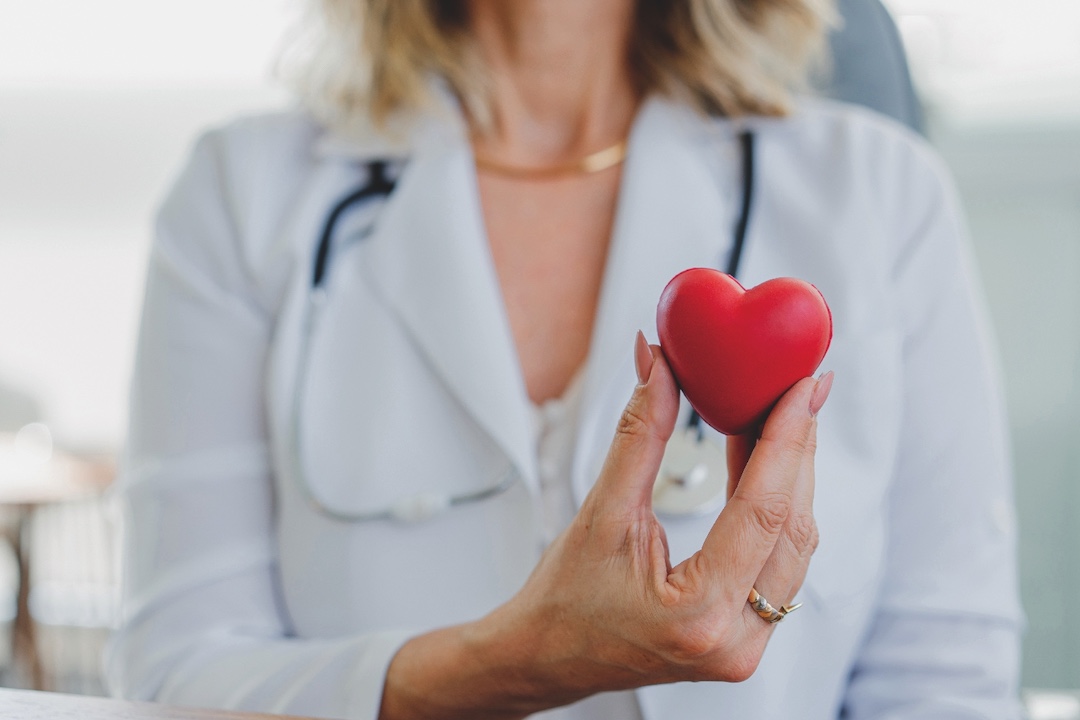
Spot signs, act early & protect your heart during holiday celebrations
American Medical Response Press Release
As holiday gatherings begin and alcohol consumption increases, American Medical Response is encouraging families to recognize the signs of “holiday heart syndrome,” a condition that occurs more frequently between Thanksgiving and New Year’s. Heavier alcohol use, rich foods, emotional stress, and delayed care are key contributors to the seasonal rise in cases.
During the holiday season, individuals may disregard mild or atypical cardiac symptoms, attributing them to fatigue or stress associated with festivities. As the manifestations of holiday heart syndrome can be subtle and easily missed, it is essential to remain vigilant and seek prompt medical evaluation; early intervention may safeguard cardiovascular health and prove lifesaving.
Holiday heart syndrome
Holiday heart syndrome refers to an irregular heartbeat that usually happens due to behaviors common during holidays, like drinking too much alcohol or overeating festive foods. These habits can interfere with the heart's electrical signals, causing arrhythmias.
Even people with no history of heart problems can experience it. Studies have found that about one-third of new atrial fibrillation diagnoses – the most common adult arrhythmia – are linked to alcohol use, a primary factor in holiday heart syndrome.
How to recognize possible holiday heart syndrome
Symptoms may appear shortly after drinking or develop later in the day. Watch for:
•A racing or irregular heartbeat
•Fluttering or pounding in the chest
•Chest discomfort
•Shortness of breath
•Dizziness or fainting
•Sudden fatigue or weakness
•Anxiety or a sense that something feels wrong
Families are often the first to notice when something is off. If a loved one suddenly looks pale, short of breath or overwhelmed by a rapid heartbeat, trust that instinct and make the call.
When to call 911
Call immediately for:
•Chest pain or pressure
•Trouble breathing
•Fainting or near fainting
•Weakness, numbness or trouble speaking
•A fast or irregular heartbeat combined with dizziness or chest discomfort
What to do while waiting for first responders
•Sit down and remain still
•Follow instructions from the 911 dispatcher
•Keep medications and medical information nearby if possible
•Unlock doors and make your location easy for EMS to reach
•If someone collapses and is not breathing normally, the dispatcher may guide a bystander through hands only CPR
Prevention matters
Moderation with alcohol, staying hydrated and getting adequate rest can significantly reduce risk during the holiday season. People with a history of heart disease, high blood pressure, or previous arrhythmias should be especially cautious and take prescribed medications consistently, even during travel.
Celebration and safety can go hand in hand. Pacing alcohol intake, paying attention to warning signs, and calling 911 when something feels wrong can help families enjoy the season while protecting their health.











1859 Whitehaven Road, Grand Island, NY 14072
Phone: 716-773-7676
Fax: 716-773-7190