


+70
°
F
+74°
+58°
Niagara Falls
Thursday, 16
See 7-Day Forecast
Featured News - Current News - Archived News - News Categories
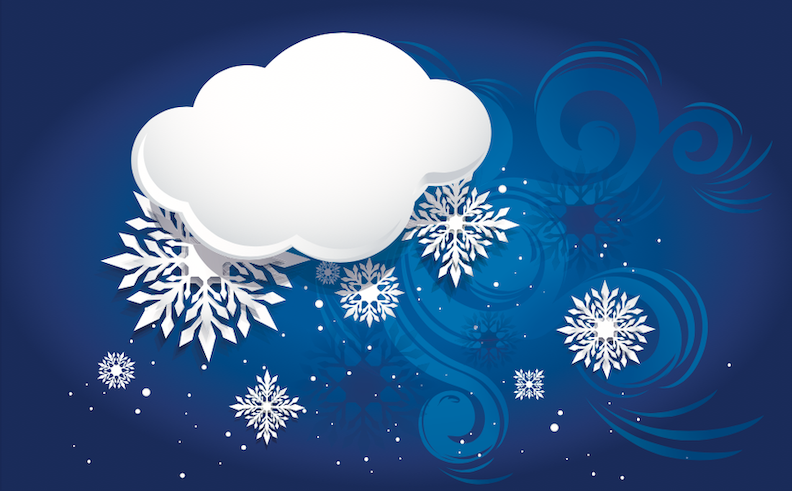
Governor deploys additional resources in anticipation of first significant lake-effect event of season, set to impact parts of Western New York, Central New York & North Country today through Saturday
√ Thanksgiving holiday is busiest travel time of year; leave extra time for travel and avoid travel during periods of intense snow
Submitted by the Office of Gov. Kathy Hochul
Gov. Kathy Hochul today reminded New Yorkers to travel safely ahead of a lake-effect snow system set to impact areas across the state during the Thanksgiving holiday. Areas across Western New York south of Buffalo could see between 12 and 18 inches of total snow, while Syracuse has the potential for 8 to 12 inches, and parts of Central New York north of Syracuse could see between 1 and 2 feet.
A wind advisory also is in effect for portions of Western New York, Central New York, the Finger Lakes and the North Country.
Travel around the Thanksgiving holiday is the busiest of the year, and snow paired with high winds increases the risk of blowing and drifting snow. Those traveling for the holiday should leave themselves extra time to reach their destinations, and avoid traveling during intense periods of snow.
Snowfall is expected to begin tonight and hit peak rates Thursday into Friday.
“Thanksgiving is the busiest travel time of the year, and as we manage a lake-effect snow system moving into our state, we’re taking proactive measures to keep roads clear and New Yorkers safe,” Hochul said. “I’ve directed state agencies to do whatever they can to ensure families can travel safely during the coming days, and I encourage New Yorkers to take the necessary precautions to protect themselves and their families.”
In addition to preparing for snow, New Yorkers should also prepare to protect against the dangers that can result from colder weather. Under state regulation, a Code Blue is automatically in effect whenever the temperature and wind chill equal less than 32 degrees. Local social services districts are required to take necessary steps to ensure those experiencing homelessness have access to shelter, and that shelter hours are extended. New Yorkers are encouraged to review these cold weather tips from the state Department of Health; additional tips for preventing frostbite and hypothermia; information about carbon monoxide poisoning and ways to prevent it; details on the proper use of generators; and safe winter driving tips.
The state Department of Labor advises workers and employers to engage in extreme cold weather best practices such as:
•Limit outdoor work, provide frequent breaks in warm areas, and schedule outdoor work during the warmest times of the day.
•Ensure access to clean drinking water.
•Stay hydrated with warm beverages, and avoid caffeine.
•Wear proper personal protective equipment, including at least three layers of clothing, gloves or mittens, thick socks, insulated footwear and a hat, hood or hard hat liner.
The National Weather Service has issued lake-effect snow warnings, winter storm watches, winter weather advisories and wind advisories, and New Yorkers should closely monitor their local forecasts and look for updates. For a complete listing of weather alerts, visit the National Weather Service website at alerts.weather.gov.
New Yorkers can enable emergency alerts on their mobile phones, and text their county or borough name to 333111 so they can receive text messages about real-time weather and emergency alerts.
Winter driving safety tips
•Monitor the forecast for your local area and areas you may be travelling to.
•Avoid unnecessary travel.
•If you must travel, make sure your car is stocked with survival gear like blankets, a shovel, flashlight and extra batteries, extra warm clothing, set of tire chains, battery booster cables, quick energy foods, and brightly colored cloth to use as a distress flag.
•If you have a cellphone or other communications device such as a two-way radio available for your use, keep the battery charged and keep it with you whenever traveling. If you should become stranded, you will be able to call for help, advising rescuers of your location.
•The leading cause of death and injuries during winter storms is transportation accidents. Before getting behind the wheel, make sure your vehicle is clear of ice and snow; good vision is key to good driving. Plan your stops and keep more distance between cars. Be extra alert and remember that snowdrifts can hide smaller children. Always match your speed to the road and weather conditions.
•It is important for motorists on all roads to note that snowplows travel at speeds up to 35 mph, which in many cases is lower than the posted speed limit.
•Oftentimes on interstate highways, snowplows will operate side by side, to safely clear several lanes at one time.
•Motorists and pedestrians should also keep in mind that snowplow drivers have limited lines of sight, and the size and weight of snowplows can make it very difficult to maneuver and stop quickly. Snow blowing from behind the plow can severely reduce visibility or cause whiteout conditions.
•Motorists should not attempt to pass snowplows or follow too closely. The safest place for motorists to drive is well behind the snowplows where the roadway is clear and salted. Never attempt to pass a snowplow while it's operating.



















1859 Whitehaven Road, Grand Island, NY 14072
Phone: 716-773-7676
Fax: 716-773-7190