

+70
°
F
+74°
+58°
Niagara Falls
Thursday, 16
See 7-Day Forecast
Featured News - Current News - Archived News - News Categories
By Terry Duffy
Editor-in-Chief
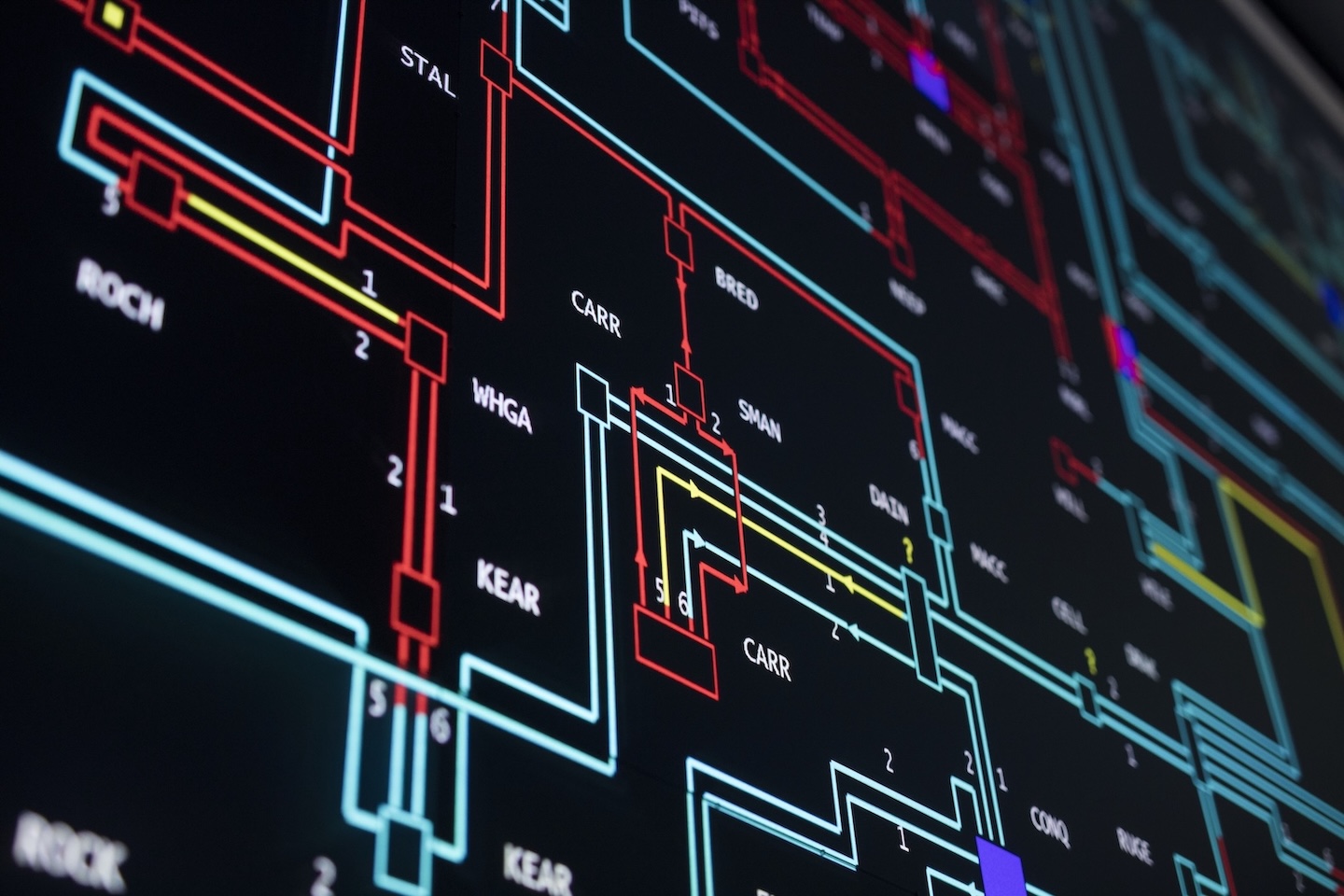
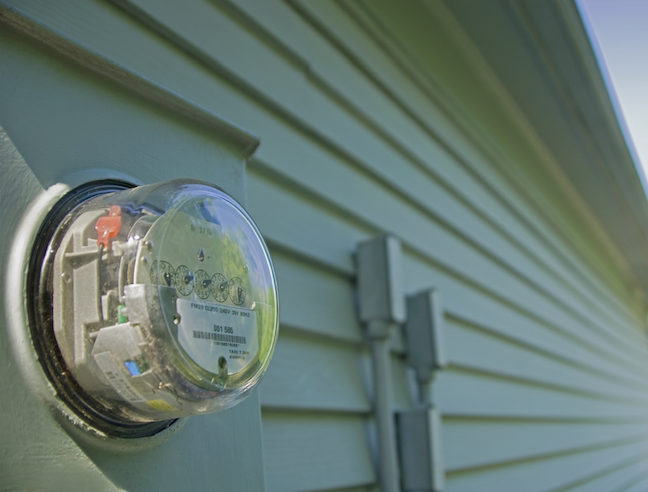
You’ve likely already heard about them – the smart meters. Over the past several months, Western New York electrical and gas users have been the recipients of consumer alerts and news blasts informing them of pending smart meter installations on utility boxes at individual residences.
Earlier, this green energy initiative focused on upstate New York State Electric and Gas (NYSEG) as well Rochester Gas and Electric Corp. (RG&E) customers. More than 1 million electrical users and 500,000 natural gas customers in the Binghamton and Rochester areas experienced this changeover starting in 2024-25, according to a report in the Binghamton Press & Sun Bulletin.
NYSEG and RG&E customers were informed, “The upgrade will help to more effectively identify power outages, make bill estimates, onsite visits and meter reads less frequent, and allow customers to conveniently manage moves and service stops.”
Upstate electrical provider National Grid recently announced plans of a similar switchover for its thousands of Buffalo-Niagara Region residential users.
In a press release, National Grid noted, “Customers have their meters read monthly by radio frequencies transmitted to trucks that drive past the property where they live or work. These meters are approaching the end of their lifespan, which offers National Grid an opportunity to implement new technologies that improve customer control, and provide real-time outage data. … The meters will communicate wirelessly with National Grid’s control centers through a secure network. This encrypted data will help National Grid pinpoint locations of outages and whether the issue occurred on customer-owned equipment or on the company’s network.”
“This upgrade to modern meters ensures reliability and introduces advanced technology and tools that provides energy use data,” Regional Director Ken Kujawa said. “Customers can use this information to make informed decisions about managing their electricity consumption and, ultimately, control energy costs. The new meters also instantly notify National Grid when there’s a service interruption at their home or business.”
National Grid expects its Western New York installations to be completed in 2027.
However, users have noticed something else about these new smart meters. According to news reports out of town hall and social media complaints, thousands of customers said they were not adequately informed of the changeover. Further, there were complaints of extremely high electrical bills and confusion about the actual use of these new, high-tech monitoring devices in their respective residences. These complaints included many demands to opt-out of the smart meters and reinstall older models. These criticisms have stretched from the Binghamton area to the Finger Lakes to Western New York.
Metro Creative Graphics
••••••••
‘Critical downsides’
According to the online source energy-and-electricity.com, “The widespread adoption of smart meters promises increased energy efficiency and improved grid management. However, beneath the surface of this technological advancement lie several critical downsides that deserve careful consideration. Consumers often face unexpectedly high electricity bills despite energy conservation efforts, highlighting a potential disconnect between advertised benefits and real-world experiences.”
Their report goes on to cite problems beyond the high electrical bills that the average residential user might not even be aware of. They include cybersecurity vulnerabilities, potential health concerns, privacy violations and environmental implications. Their detailed report is found online at www.energy-and-utility.com under the title, “Electrical technologies/Understanding the downsides of smart meters in modern homes.”
As National Grid is in the process of installing smart meters in Buffalo-Niagara, the company recently began an extensive information campaign to consumers that includes a 14-page pamphlet mailed to residents. Titled “Your new smart meter,” it provides the answers to a host of pertinent questions. Sections include “What to Expect,” “What are the Benefits,” “What Happens Next,” “How to Access Energy Usage Information,” various FAQs; “Opting Out” and National Grid’s energy commitment.
With respect to the advantages from installing these new smart meters, National Grid says there are many: Benefits include more customer control, where the customer has continuous access to their energy usage data and, in turn, customers can make better informed choices on how to manage energy consumption. To learn more, visit https://www.nationalgridus.com.
The company has partnered with Utility Partners of America (UPA) to manage the smart meter installation program. UPA can be reached at 800-501-6401.
Commenting on the company’s green energy initiative, National Grid Strategic Communications Manager Dave Bertola said the company has completed more than 1 million smart meter installs so far, covering 75% of the country.
With respect to consumer complaints of higher bills, he went on to praise the accuracy and efficiency of these new high-tech units and cited other factors.
“These meters are digital; they’re precise; they’re tested. There is no correlation between the new meters and higher bills,” Bertola said.
Instead, he mentioned other factors such as higher supply costs (energy use and delivery charges), the region’s colder temperatures, and National Grid’s recently approved rate change by New York state.
“(These) are all impacting costs,” Bertola said.
He suggested ways in which consumers can get a better handle on their billing.
“When you get your meter, you can go to our website (nationalgrid.com.us) and you can sign up for the ability (to receive) reports every 15 minutes of your energy use.”
Bertola said this smart meter feature – accessed via signup on the National Grid consumer’s MyAccount portal – and a new mobile app expected this year, will allow consumers to better manage their appliances and, in turn, better manage energy use and future billing.
He also mentioned budgeted billing plans for consumers, where they can seek assistance. For more information the company’s plans, visit nationalgrid.com.us.com.

Metro Creative Graphics
••••••••
Installation process
The press release shared, “Buffalo-area customers should have received information from National Grid to let them know when their meter is expected to be installed. Up until the installation date, National Grid will be in contact with customers via email, phone and postal mail. Customers do not need to be on site to meet installation crews if their meter is located outside of the home or business. Customers will have the ability to reschedule if their appointed date and time is inconvenient for them. Elderly, blind and disabled customers and customers with approved life-support devices will have the ability to schedule appointments for their meter installation. …
“Smart meter installation for electric customers requires a short power outage that should last only a few minutes to safely remove the old meter and install the new one.”
National Grid-contracted installation reps have already visited multiple locations in Erie and Niagara counties. This writer encountered one such person at a residence last week. The installer, seen in the neighborhood pulling a wagon of new smart meters and equipment in the snow, was open about consumer reactions to the program. He said he has already visited a number of homes, including those on Grand Island, where residents had reservations about the change and wanted to opt out.
“Many didn’t even know about it,” he said.
National Grid has been upfront with information on its smart meter program with the community.
Checking out the aforementioned mailer, one page is titled, “Can I opt out of receiving a smart meter?”
Included is the following: “Opting out is only for customers on the residential SC1 rate (meters). All other customers, including residential Time-of-Use (TOU) and large commercial consumers are not eligible based on the current tariff approved by the Public Service Commission.
“If you decide you do not want to receive the benefits of a smart meter, you can choose to opt out and have a conventional or ‘non-communicating’ meter installed instead. Since this meter will not transmit any data automatically, your meter will need to be read manually by a utility representative, which carries a fee.”
Opting out
This writer stated an intention to opt out and was given an informative hand card distributed at residences. It included the status of either the individual smart meter (for electrical users) or gas module installation. For those choosing to opt-out, it read, “Remember, opting out will result in future service changes. To confirm your decision, call 1-800-642-4272 or go online at ngrid.com/optout to complete an online form.”
Within days, a letter from National Grid followed and explained the process.
It stated opting out brings with it a $15.45 monthly fee for National Grid electric or gas users, or a monthly fee of $21.24 for both. There is a one-time change-out fee of $72.44 for individual electric or gas users, or a combined one-time charge of $134.53 for both.
Then, under “What’s Next?”: “Opting out of receiving a smart meter does not mean your meter won’t be replaced. Your current meter must be replaced because it is nearing the end of its useful life. In your case, we will install a new, traditional non-communicating meter that does not send energy usage data.
“You will soon receive a form requiring your signature. You have 30 days from the date you receive the form to return it to the company to authorize you opt-out and start applying fees to your account. If you do not return the form within 30 days, your opt out will be canceled, and a technician will come to install a smart meter.”
The National Grid letter also includes a section for customers who, after learning more about the program, decide they would prefer new smart meter install. Here, customers are advised to contact National Grid via a QR code or by email to box.UNY.Optout@nationalgrid.com. Customers are asked to provide their name, address (account info optional) and the message “I authorized National Grid to cancel my opt-out intent.”
National Grid closed by inviting consumers to learn more about smart meters, their energy usage, and the benefits of having one at their residence as they make any decision: “More than 1 million New Yorkers across upstate New York are already enjoying the benefits of smart meters, including additional advantages. Please visit ngrid.com/smartmeter for more information.”



























1859 Whitehaven Road, Grand Island, NY 14072
Phone: 716-773-7676
Fax: 716-773-7190