


+70
°
F
+74°
+58°
Niagara Falls
Thursday, 16
See 7-Day Forecast
Featured News - Current News - Archived News - News Categories
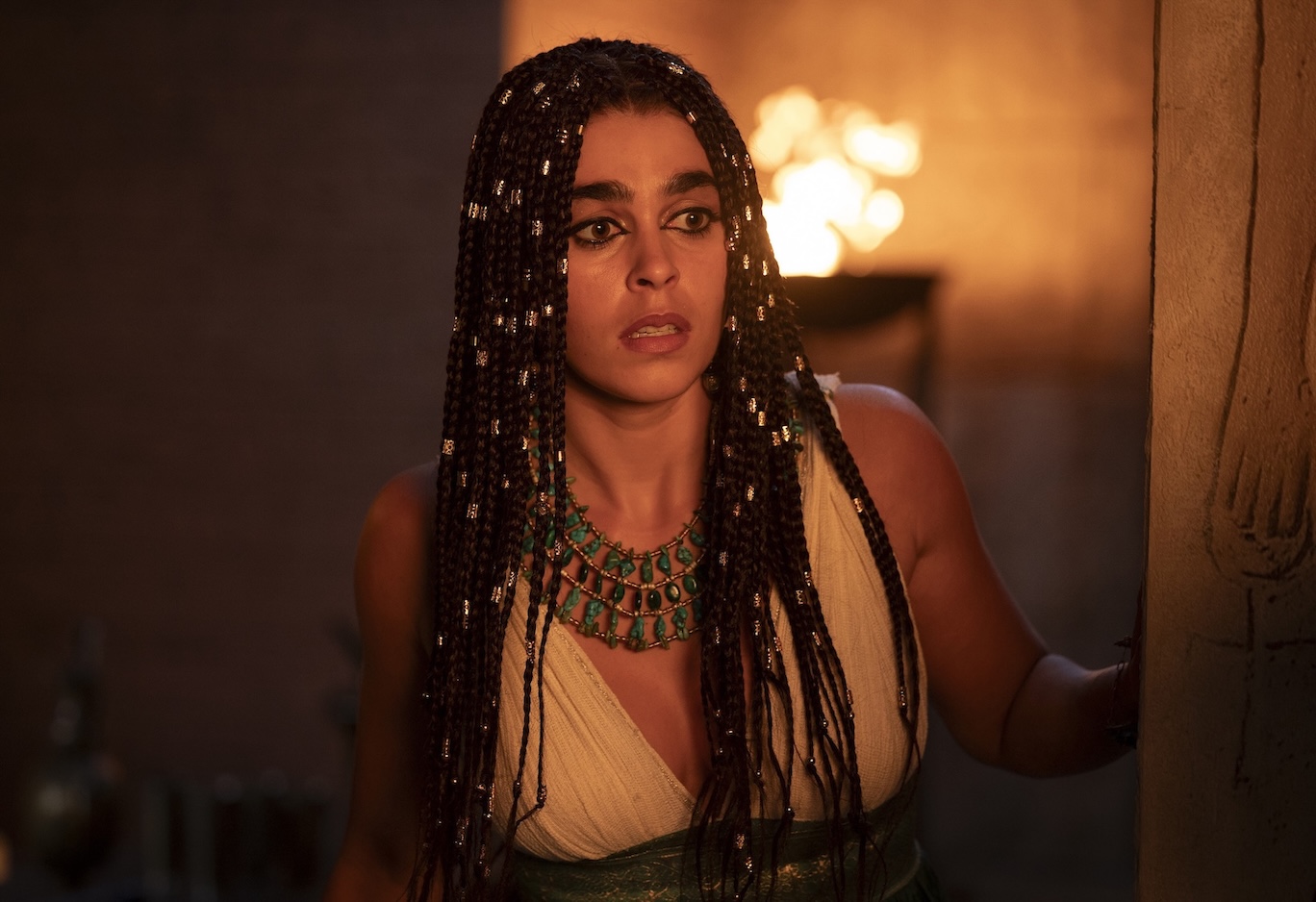
Natacha Karam offers inside look at 3-week series
Behind the Screens with Joshua Maloni
GM/Managing Editor
IG: @imjoshuamaloni
The Bible’s opening book of Genesis shares the story of Abraham, Isaac and Jacob – men whose journeys would help define the foundations of faith – but also men who were deeply flawed and in need of God’s grace. They are heroes in Judaism, Christianity and Islam, well known for their stories of overcoming adversity.
Not nearly as famous are the wives of these men, and yet their journeys were just as essential in shaping the path for God’s people to walk.
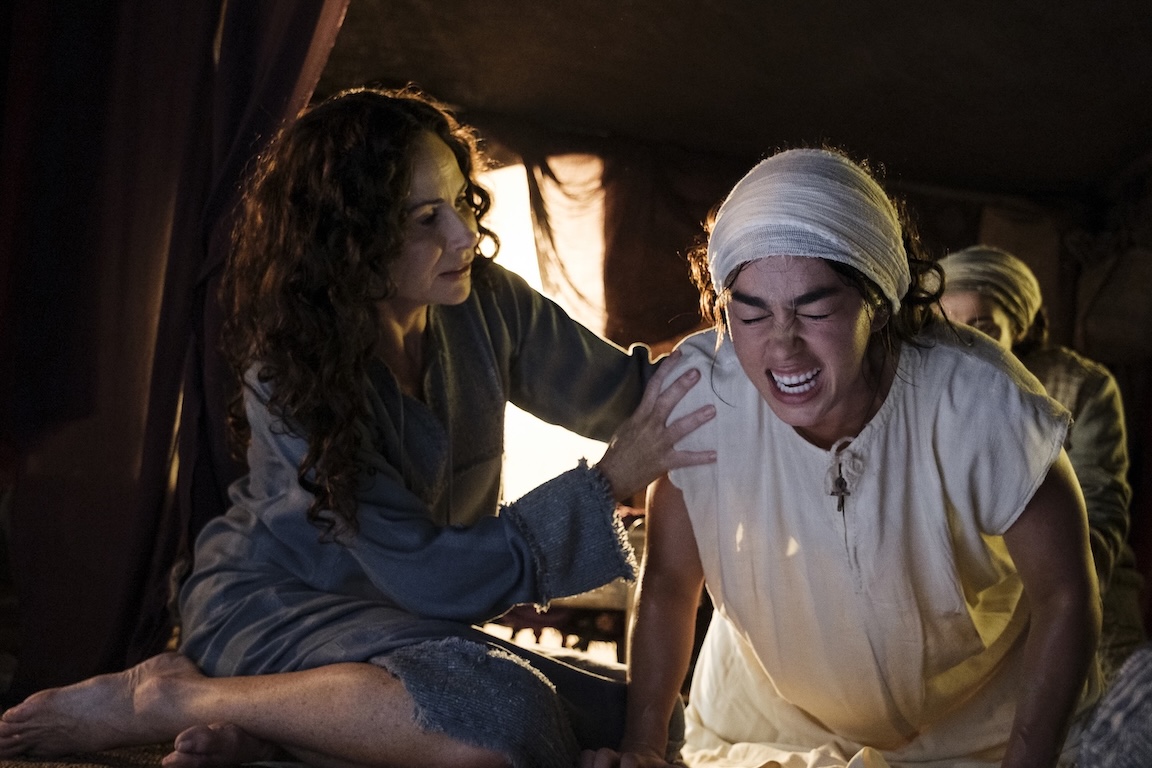
Minnie Driver, left, as Sarah, and Natacha Karam as Hagar in "The Woman Who Bowed to No One/The Woman Who Spoke to God" two-episode presentation of “The Faithful” airing Sunday, March 22 (8-10 p.m.), on FOX. (Credit and © 2026 FOX Media LLC)
••••••••
It’s in Genesis we learn God promised Abram (“exalted father”) and his wife, Sarai (“battle axe”), a son, though they were well past the age of childbearing. Doubting this promise and looking to put matters into their own hands, they agreed Sarai’s maidservant, Hagar, should instead have relations with Abram.
Hagar gave birth to Ishmael, which only infuriated Sarai. She would flee her master’s home twice – each time being assured by God that her son’s future was secure.
Sarai would have a change of attitude, but remain without child until the age of 90, not long after God renamed her Sarah (“princess”). She gave birth to Isaac – the same Isaac God asked a renamed Abraham (“father of a multitude”) to sacrifice. Of course, God spared Isaac – the event was a foreshadowing of Jesus’ death – but imagine what Sarah felt? Or what she thought of parting with Ishmael, whom she expected to be her son?
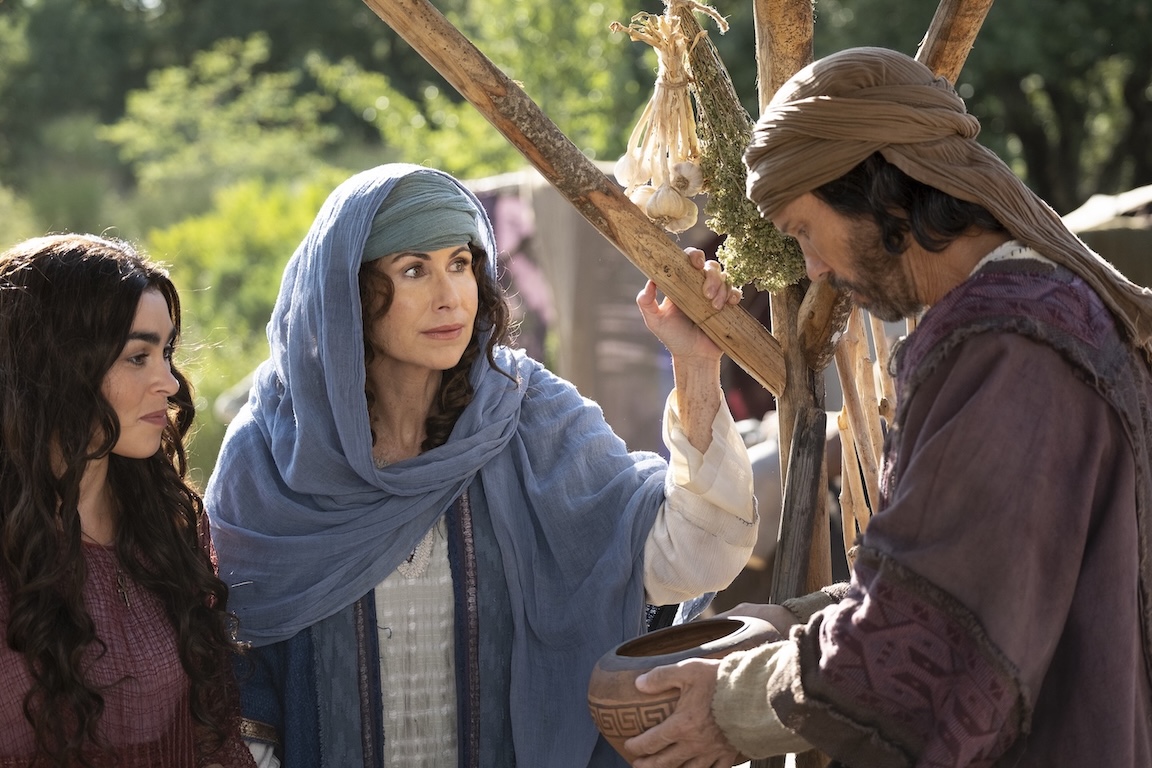
“The Faithful” Natacha Karam as Hagar, Minnie Driver as Sarah, and Jeffrey Donovan as Abraham in "The Woman Who Bowed to No One/The Woman Who Spoke to God" two-episode presentation of “The Faithful” airing Sunday, March 22 (8-10 p.m. ET/PT), on FOX. (Credit and © 2026 FOX Media LLC)
••••••••
Isaac’s wife, Rebekah, was pregnant with two boys when she felt an inner struggle in her womb. She was told her sons – Jacob and Esau – would become two nations, and these brothers would fight for birthright and blessing.
Leah and Rachel, would marry Jacob (renamed Israel), and give birth to eight of the 12 tribes of Israel. Rachel’s oldest son, Joseph, was sold into slavery, betrayed by his master, sent to prison … and ultimately put in control of Egypt during a great famine. The lineage of the tribe of Judah – Leah’s son – included Joseph, the adopted father of Jesus.
Did you know all of that?
FOX is betting you didn’t – but should – as it presents “The Faithful: Women of the Bible.” The three-week miniseries airs from 8-10 p.m. Sundays, March 22, through Easter Sunday, April 5.
WATCH:
Natacha Karam plays Hagar. The trailblazing actress, who portrayed Muslim hijabi firefighter Marjan Marwani in five seasons of “9-1-1: Lone Star,” said she was led to the role because, “I'm always drawn to women who are marginalized, dismissed, erased by society. I want to center these women and give them autonomy, and give them space that they deserve to take up.”
Karam said “The Faithful” comes at an ideal time.
“I think that the world that we're in right now can sometimes feel so bleak, and that stories are ways that we help,” she explained. “Stories are things that we use to help digest our suffering, and to help steer ourselves, to give us a framework. I hope that these stories, particularly, help people get a deeper empathy for women, specifically, and that these women that have so often been misunderstood or dismissed or, like I've said this a few times, were reduced to footnotes in their own stories.
"There are so many women walking around who feel like a footnote in their own life, and the Bible is, particularly, a place where the women have often felt like footnotes to the stories when they are told through certain people's lenses. And this is a way to reinterpret those stories and center women, and help people realize that they're not footnotes to their own lives and their own stories; and remind people that sometimes the most painful chapters of your life can also carry deep meaning.
“I find myself saying a lot that the act of survival, sometimes in and of itself, is an act of faith. And if people can just take that away, watching this, and just think to themselves, ‘Just make it through another day. Just keep going. I don't know what's on the other side of this. I don't know what the lesson is that I'm learning. I don't know when the light is going to be here again. But, there is a way out of the dark.’ And I think that's what the resurgence of Biblical and faith-based dramas (provide). … In these stories, people are living through impossible circumstances, and yet they survive. Historically, they always survive transformed.
"I think that we need that reminder sometimes.”
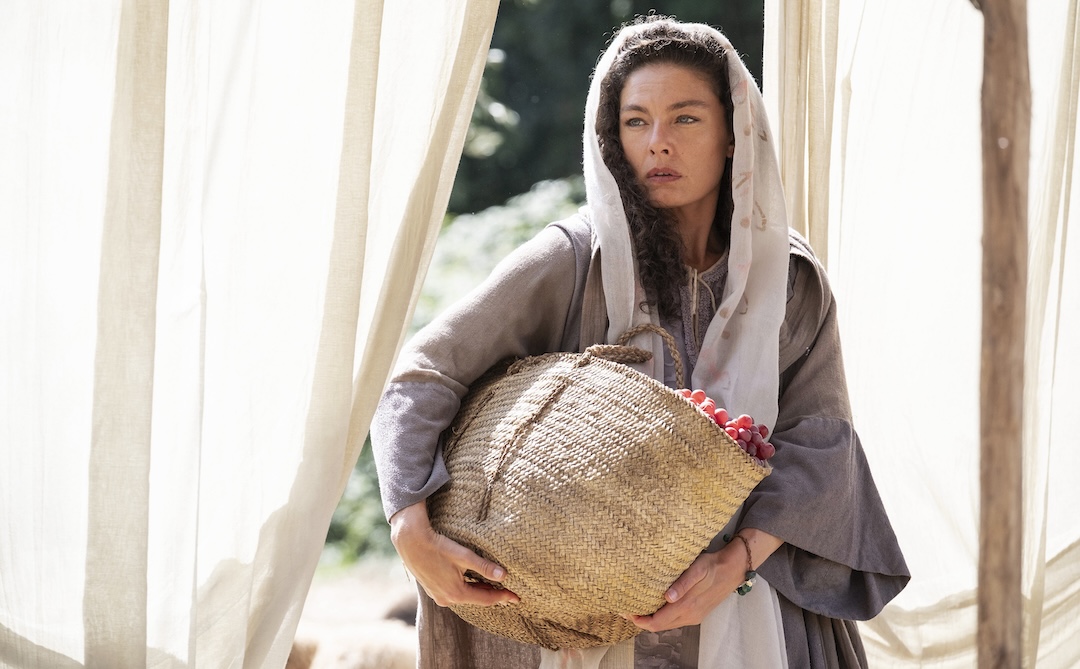
Alexa Davalos as Rebekah in “The Faithful,” premiering Sunday, March 22 (8-10 p.m.), on FOX. (Credit and © 2026 FOX Media LLC)
••••••••
In Genesis 16:10 and 21:18, the Angel of the Lord tells Hagar he will greatly multiply her descendants and make a great nation out of Ishmael.
Karam said, “For me, I was like, ‘I want to embody and experience this character who just keeps going through impossible circumstances, and somehow still has faith and resilience and a tenacity and love and self-respect that I admire in abundance.’
“And also, it's comforting to know where the story ends – to know that it all turns out more than she could ever have imagined. I think that is the point in stories, myths – everything is to tell you that it's all going to be OK – that there is purpose and there is meaning in your life and in your trials and tribulations. And I think that's why we look to these texts for answers, and the answers are often there.”
Whether it be Marjan or Hagar or another character, Karam said, “I think that it is my life's purpose to help people feel seen, and what way that manifests itself changes over time, whether that's on a grand scale of making TV, or whether that's in the space between me and another person. I really want to affirm people's humanity and help people feel seen and known and loved and understood. And the media plays a huge part in helping people feel all those positive things, but also the complete opposite: erasing people, building stereotypes, causing divides.
“I hope that I always get to play characters that bring people together, that are deeply human and flawed and resilient; and I hope that I continue to get people who have felt marginalized or misunderstood to be seen and loved and known … as much as I can and as much as I have a choice in that. And when I don't have a choice in that, and I'm going through a quieter patch in terms of my work, I do that interpersonally – because it's my life's purpose, and I will continue to do that.
“Anything that's worth anything to me happens in the space between me and another person. Acting is a great place for that.”
WATCH:
“The Faithful” stars Minnie Driver (“Good Will Hunting,” “Grosse Point Blank,” “Speechless”) as Sarah, and Jeffrey Donovan (“Burn Notice,” “Law & Order”) as Abraham.
“I think that Jeff is deeply sincere and grounded and wise,” Karam said. “And he's a family man who, truly, his life is his family. He doesn't live in L.A. He's not in this industry, like in the day-to-day. I admire him hugely for that. And he brings this sort of like earthiness that I loved. He's an incredible man. He's very generous. And he was very sincere in his desire to center the women in this project, understanding that that was the point in this project, that it was about these (women). Our part was about two women, but the whole project, as a whole, was about women in the Bible. And so, it wasn't for him to take center stage. And he almost was, like, apologetic about any time he was there too much (laughs). And it was like, ‘You're still part of the story. It's integral that you're here!’ But for him, he really did want that.
“And then Minnie, Minnie was such a generous actor. Every scene we did together, there was always something going on in her eyes. She was always giving me something back. I think there was a real sisterhood there, and how she approached certain scenes with me, and we had what felt like an intimacy that was very necessary. I loved working with Minnie. I think that she cares deeply about some of the things that I also care deeply about, and had a sincere approach to the project, and humanizing these women and uplifting them.”
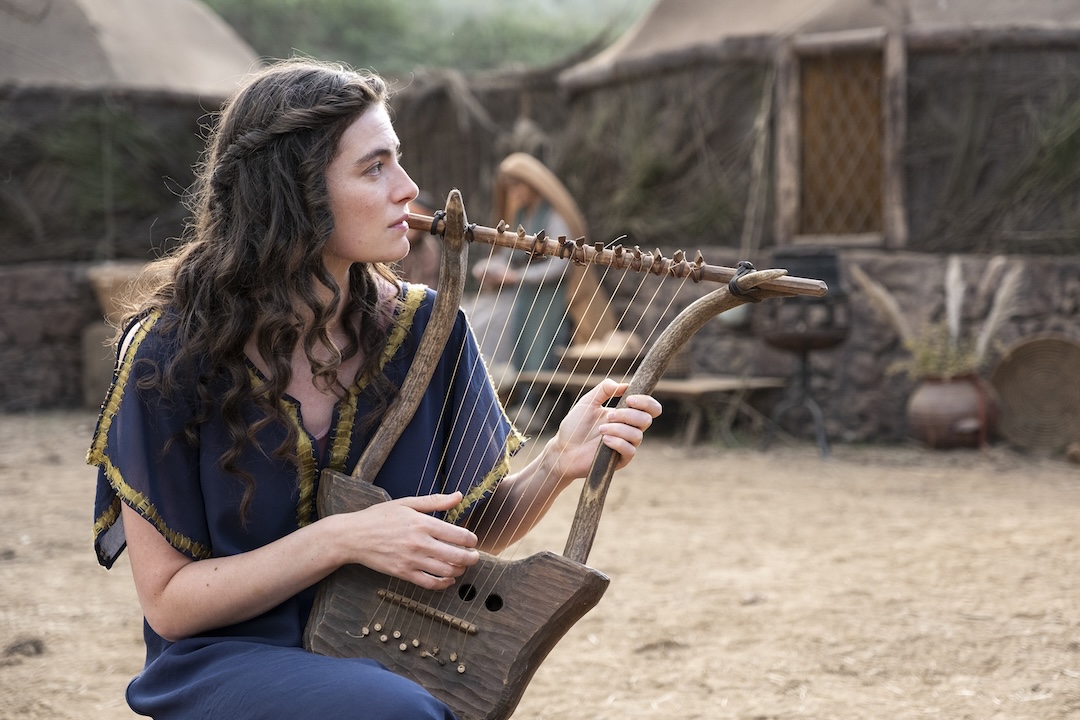
Millie Brady as Leah in "The Woman Who Loved" two-episode finale of “The Faithful” airing Sunday, April 5 (8-10 p.m.), on FOX. (Credit and © 2026 FOX Media LLC)
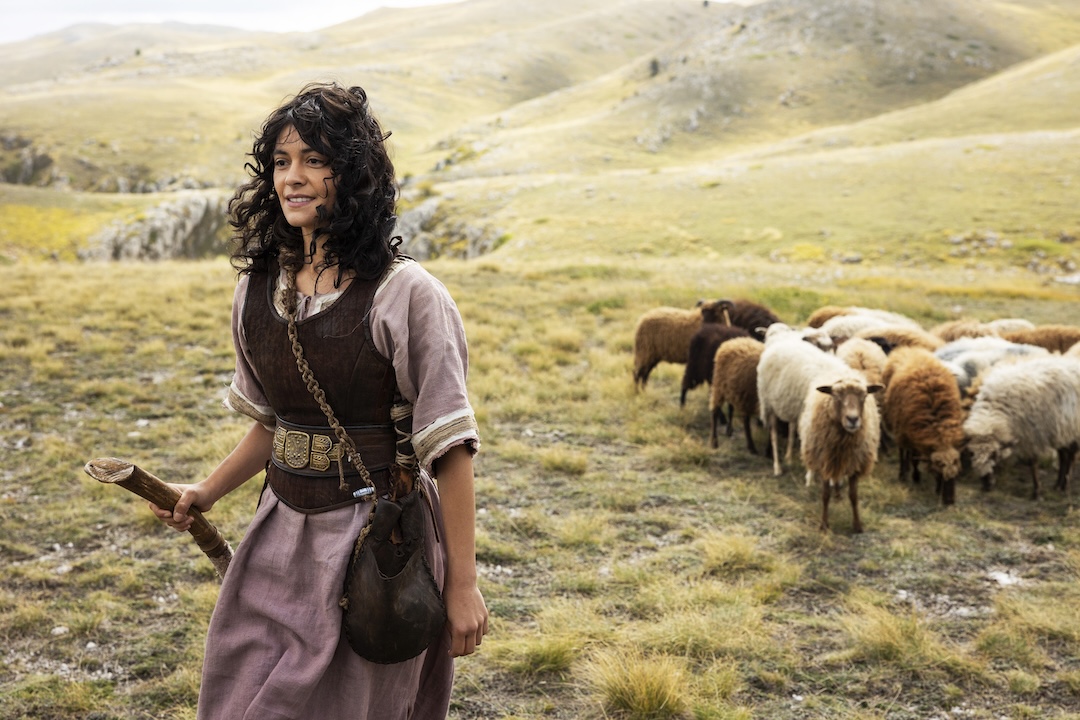
Blu Hunt as Rachel in "The Woman Who Loved" two-episode finale of “The Faithful” airing Sunday, April 5 (8-10 p.m.), on FOX. (Credit and © 2026 FOX Media LLC)
••••••••
Also lending their talent to “The Faithful” are actors Alexa Davalos (Rebekah), Millie Brady (Leah) and Blu Hunt (Rachel).
Karam said she is hopeful the miniseries “does the thing it's supposed to do, and help people feel seen and give them a framework for their trials and tribulations, their sufferings, their hope.”
“The Faithful: Women of the Bible” airs at 8 p.m. Sundays, March 22-April 5, on FOX (WUTV).

























1859 Whitehaven Road, Grand Island, NY 14072
Phone: 716-773-7676
Fax: 716-773-7190