
+70
°
F
+74°
+58°
Niagara Falls
Thursday, 16
See 7-Day Forecast
Featured News - Current News - Archived News - News Categories
Late-summer oral rabies vaccine (ORV) distribution program expands regional protection efforts
Submitted by the Niagara County Department of Health
The U.S. Department of Agriculture, Wildlife Services program (USDA-WS) will begin a late-summer distribution of oral rabies vaccine (ORV) baits across Niagara County and Western New York in August and September. This effort is part of a nationwide cooperative program to prevent the spread of wildlife rabies in the eastern U.S. This late-summer distribution is in addition to the spring distribution completed in May to strengthen regional rabies prevention.
Baiting will occur through aerial distribution using low-flying fixed-wing aircraft, helicopters and ground baiting (by hand) in select areas. Distribution is weather-dependent and may be adjusted due to inclement conditions.
Fixed-wing aircraft operations are scheduled for Aug. 12-21 and will distribute RABORAL V-RG sachets across rural areas. Helicopter operations are scheduled for Sept. 14-19 and will distribute ONRAB baits across suburban areas.
Ground baiting is scheduled from Aug. 12-24 will also take place in urban areas, with approximately 190 bait stations deployed in Niagara Falls.
Wildlife, including foxes, skunks, raccoons and woodchucks, are vaccinated against rabies when they eat the vaccine that is contained in the baits.
“During the baiting period, residents may see and hear low-flying aircraft over Niagara County and may observe staff distributing green packets by hand or vehicle in Niagara Falls neighborhoods,” said Scott Ecker, environmental health director.
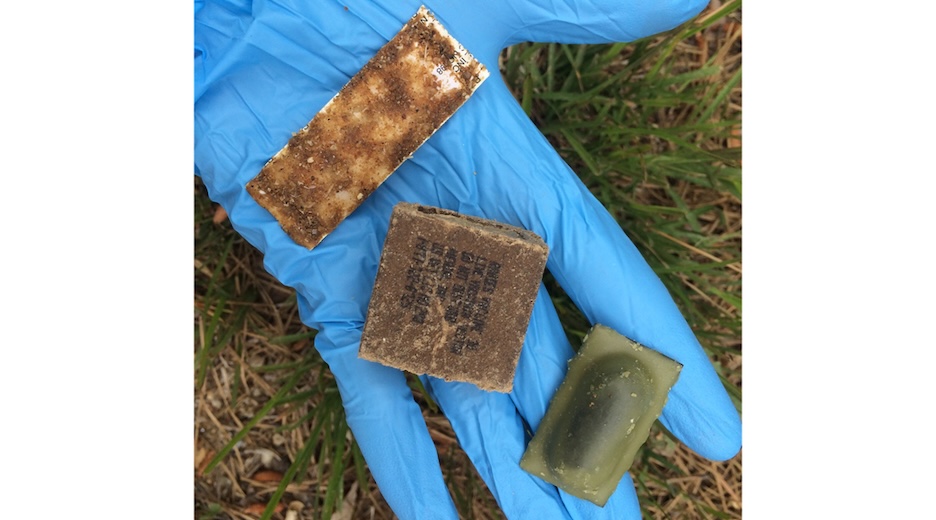
The ONRAB baits are about the size of a matchbox and are comprised of vegetable shortening, wax, icing sugar, vegetable oil and flavoring. The baits are not harmful to humans or pets; however, they should not be handled. If baits are found in areas where children or pets play, they may be moved using gloves or a plastic bag. Additional guidance is available in the frequently asked questions below.
“Rabies is a fatal but preventable viral disease that can be spread to people and pets through bites or scratches from infected animals such as raccoons, skunks and bats,” Public Health Director Dr. Fauzia Khan said. “Keeping pets up to date on rabies vaccinations is not only required by New York state law, but one of the most important steps residents can take to protect their families.”
The next NCDOH rabies clinic for pets (dogs, cats and ferrets) will be held Saturday, Sept. 12; registration is required and will open Sept. 8. To register or for more information about the rabies clinic(s), visit www.niagaracounty.gov/RabiesClinic
For additional information concerning rabies or the ORV program, visit https://www.aphis.usda.gov/national-wildlife-programs/rabies or contact USDA Wildlife Services at 1-866-487-3297.
Oral rabies vaccination program FAQ
USDA Wildlife Services ONRAB field evaluation
Q. What is the ONRAB ORV field evaluation? A. In spring and summer 2026, Wildlife Services and cooperators will distribute the ONRAB (Artemis Technologies Inc., an indirect, wholly owned subsidiary of Ceva Sante Animale S.A., Guelph, Ontario, Canada) oral rabies vaccine in eight states (including New York) as part of an ongoing evaluation of its effectiveness in the field. This year’s field evaluation is part of a multiyear study addressing operational questions related to bait density, flight line spacing, and effectiveness.
Q. What does the bait look like? A. The ORV baits consist of a sachet, or plastic packet, containing the rabies vaccine. To make the baits attractive, the packets are sprinkled with a fishmeal coating or encased inside hard fishmeal-polymer blocks about the size of a matchbox. See photo.
Q. Can I get rabies from contact with the vaccine? A. No. The vaccine does not contain the live rabies virus; however, it contains a single gene that may cause a local pox-type infection in people who are pregnant or have an immunodeficiency disease. Anyone who comes into contact with the liquid vaccine should wash the affected area thoroughly with soap and water and call the phone number listed on the bait or your local health department for further instructions and referral.
Q. What if I find an oral rabies vaccination (ORV) bait near my home? A. It is recommended that, if bait is found, it is not disturbed unless it is on your lawn, driveway, or other area where it is not likely to attract a raccoon or other wild animal. While wearing a glove or other protective covering (i.e., plastic bag), you could move bait to a wooded area where a raccoon, skunk, fox or coyote will be more likely to find it. Wash your hands thoroughly with soap and water after any contact with a bait.
Q. Why do I need to wear a glove when handling an ORV bait? A. An intact bait will not harm you, but the bait coating may get on your skin. If a blister pack within the bait is broken and the liquid vaccine is visible, use protective gloves or pick the bait up in a plastic bag without making contact with it. Cover the bait with 1:10 dilution of household bleach, and wipe down affected areas with bleach solution. Place cleaning materials in a bag and dispose of the bag in regular garbage. Wash your hands thoroughly with soap and water after contact with bait. If you suspect you have been exposed to the vaccine, please contact the New York State Department of Health rabies information line at 888-574-6656.
Q. What if I do not have a glove? A. You can use a plastic bag or paper towel to prevent you from coming into direct contact with the bait and vaccine. Be sure to dispose of it after use.
Q. What if my child finds an ORV bait? A. If your child were to bring you an intact bait, you may place the bait into an area of thick cover. If your child brings you a bait that is leaking vaccine, wash the exposed skin and contact your local public health officials for further instructions and potential referral. Wash your hands thoroughly with soap and water after contact with a bait.
Q. What if my dog or cat eats an ORV bait? A. This vaccine has been shown to be safe in over 60 different species of animals, including domestic dogs and cats. Eating a large number of baits may cause a temporarily upset stomach in your pet, but it does not pose a long-term health risk. Do not attempt to remove a bait from your pet’s mouth; doing so may cause you to be bitten and could lead to vaccine exposure. If your pet becomes ill from bait consumption, please contact your veterinarian for more information.
Q. How long do ORV baits last in the environment? A. Studies have shown that most baits are eaten within four days, and almost all baits are gone in one week. If baits are not found and eaten, they will dissolve and expose the vaccine. Sunlight and exposure to air inactivates the vaccine.
Q. How does a raccoon get vaccinated by eating the ORV bait? A. When a raccoon bites into a bait, the vaccine packet is punctured allowing the vaccine into the animal’s mouth. The raccoon’s immune system is then tricked into thinking it has been exposed to the rabies virus and makes antibodies to fight the disease. The blueprint on how to make these antibodies is stored in the raccoon’s immune system, allowing its body to respond should it be exposed to a rabid animal.
Q. How long does the vaccine last? A. Research suggests this vaccine should be effective for more than a year; however, it is difficult to determine how immune systems in individual animals will respond to the vaccine.
Q. How do you distribute ORV baits in cities and suburban areas? A. Working with employees from cooperating agencies, WS distributes baits in urban and suburban areas by vehicle or by helicopter. These are the most effective approaches for distributing the bait and minimizing human contact with baits.
Q. How else does WS distribute ORV baits? A. In rural or open areas, WS distributes baits using aircraft. Depending on the distribution area and availability of aircraft, a helicopter or fixed wing aircraft may be used.
Q. How can I find out more information about this program? A. If you have additional questions related to the field evaluation in New York, please contact the Wildlife Services office in Rensselaer at 518-268-2289.









1859 Whitehaven Road, Grand Island, NY 14072
Phone: 716-773-7676
Fax: 716-773-7190