
+70
°
F
+74°
+58°
Niagara Falls
Thursday, 16
See 7-Day Forecast
Featured News - Current News - Archived News - News Categories
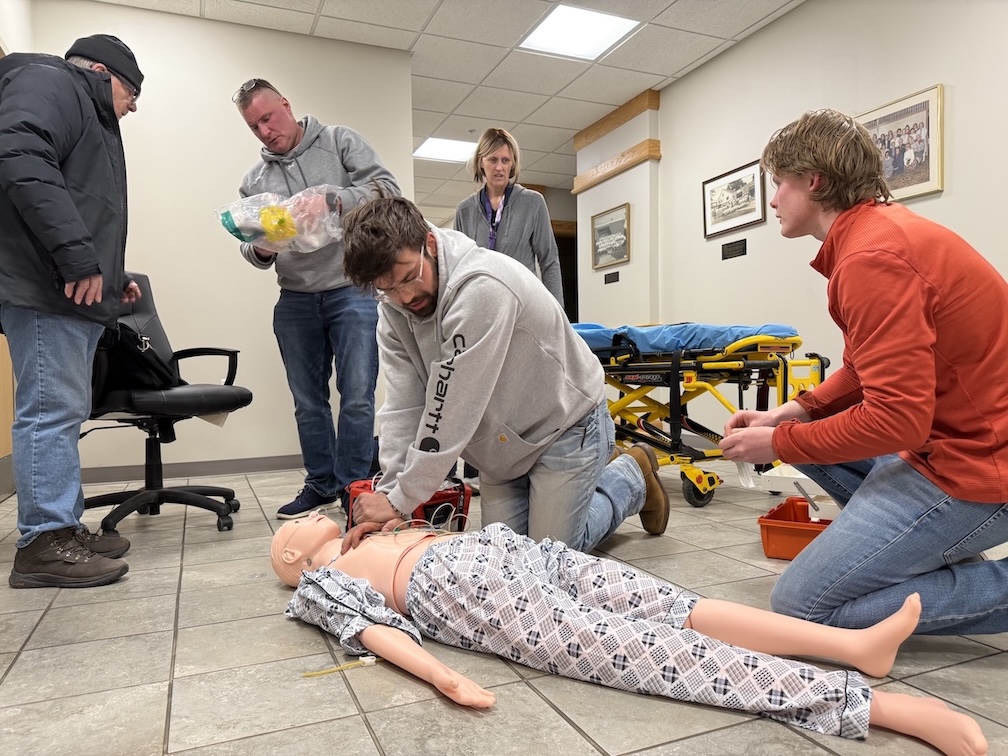
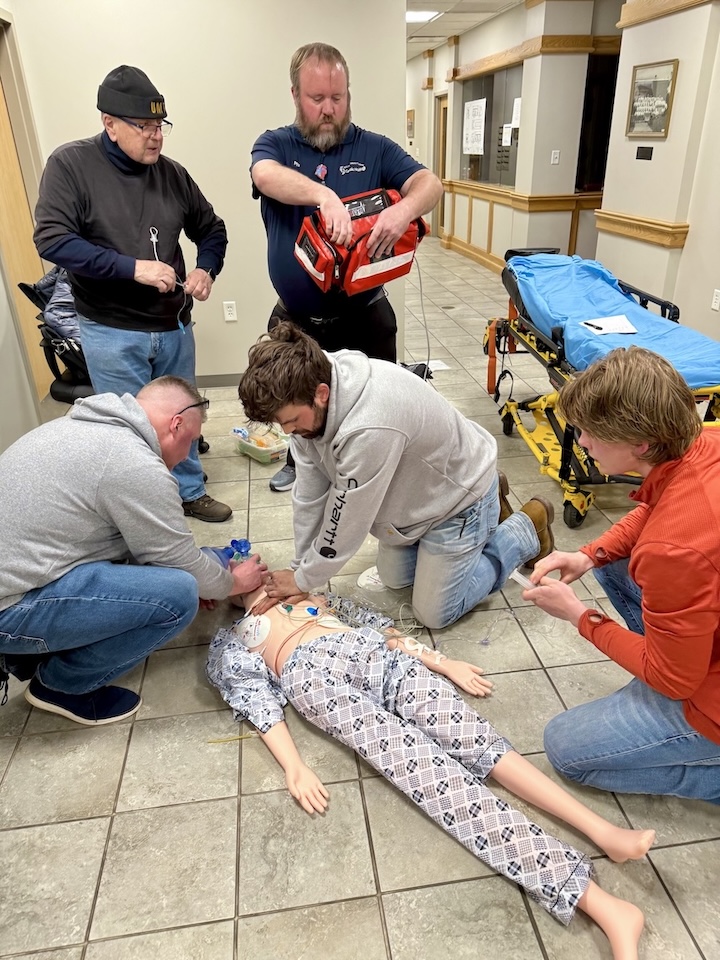
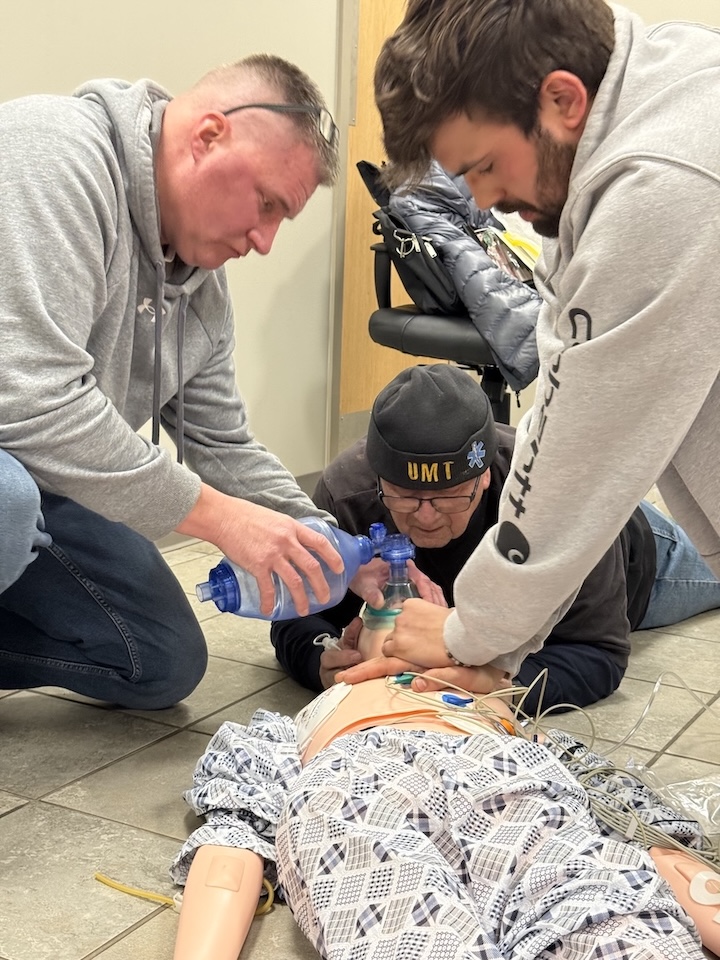
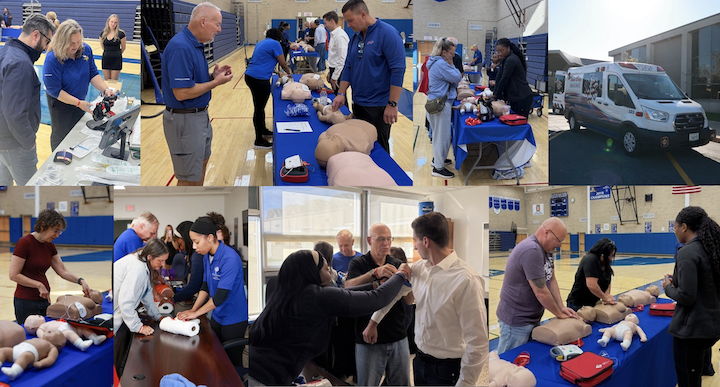
On Monday, local emergency medical service (EMS) agencies participated in a coordinated cardiac arrest simulation drill in partnership with Lewiston No. 1 Fire Co. and Mount St. Mary’s Hospital.
The drill was designed to test and strengthen coordination, communication, and patient care across all levels of emergency response, from the scene through hospital handoff.
The exercise involved multiple patient care scenarios, including critical medical situations that may progress to cardiac arrest.
All simulations began at Lewiston No. 1, where EMS crews initiated patient care at their respective levels of training and certification. Crews asked questions and performed appropriate lifesaving interventions on scene, including treatment of cardiac arrest scenarios. At designated points during the simulations, crews were advised that pulses returned to mimic successful resuscitation efforts.
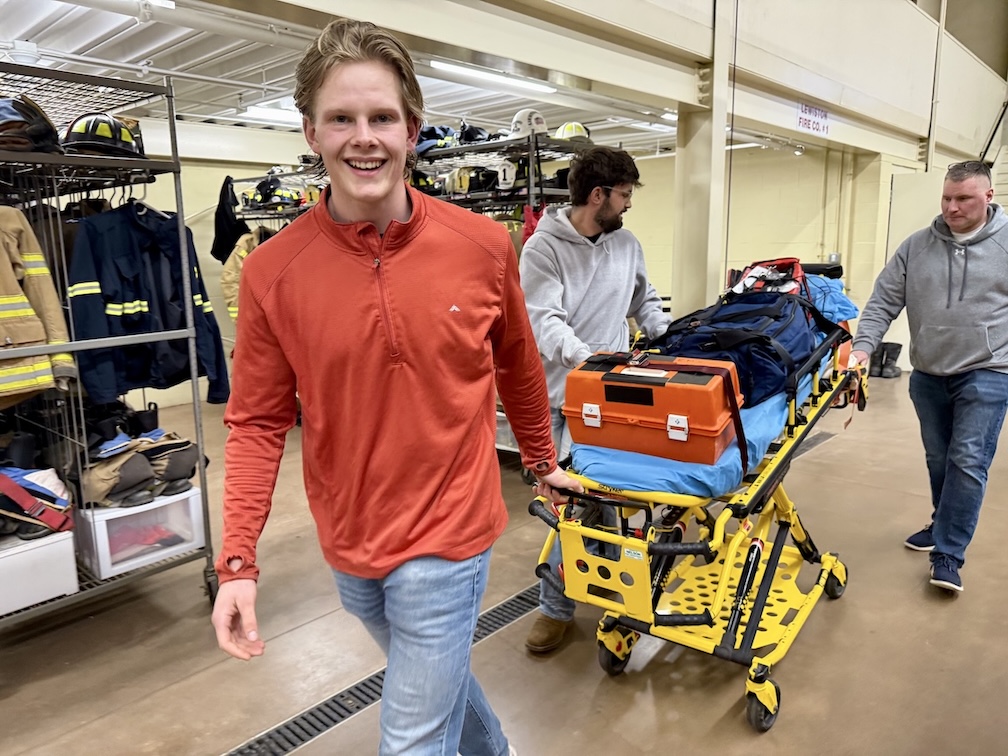
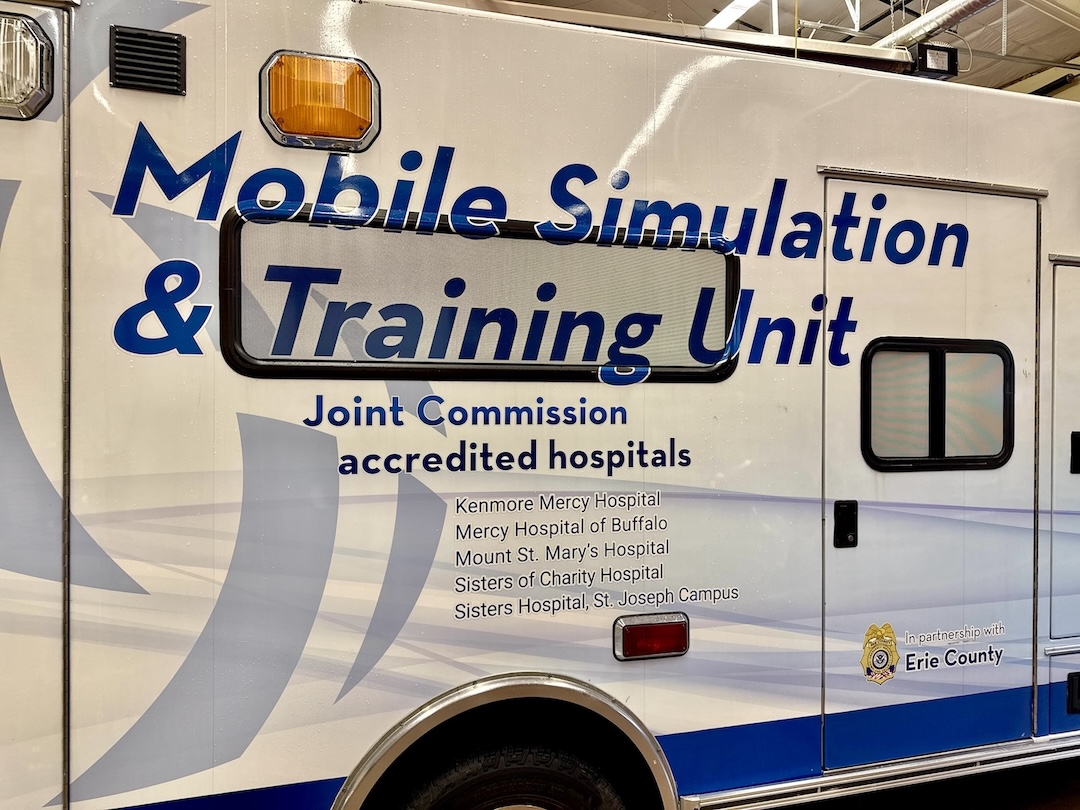
Patients were transferred into a simulation ambulance and transported to Mount St. Mary’s Hospital for continued care. During transport, crews contacted the emergency department with a patient report so hospital staff could prepare for arrival – as they would in a real emergency.
Upon arrival at the hospital, EMS providers delivered a formal handoff report to the attending physician, detailing treatments performed, medications administered, and the patient’s current condition. The physician engaged EMS crews with follow-up questions to further replicate real-world emergency care transitions.
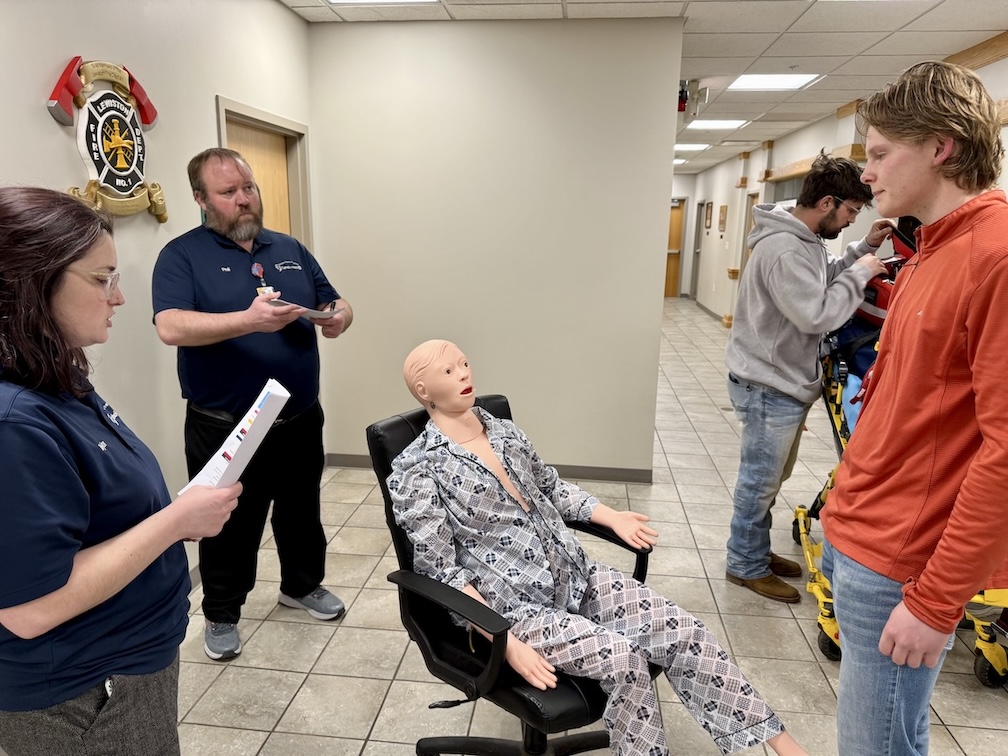
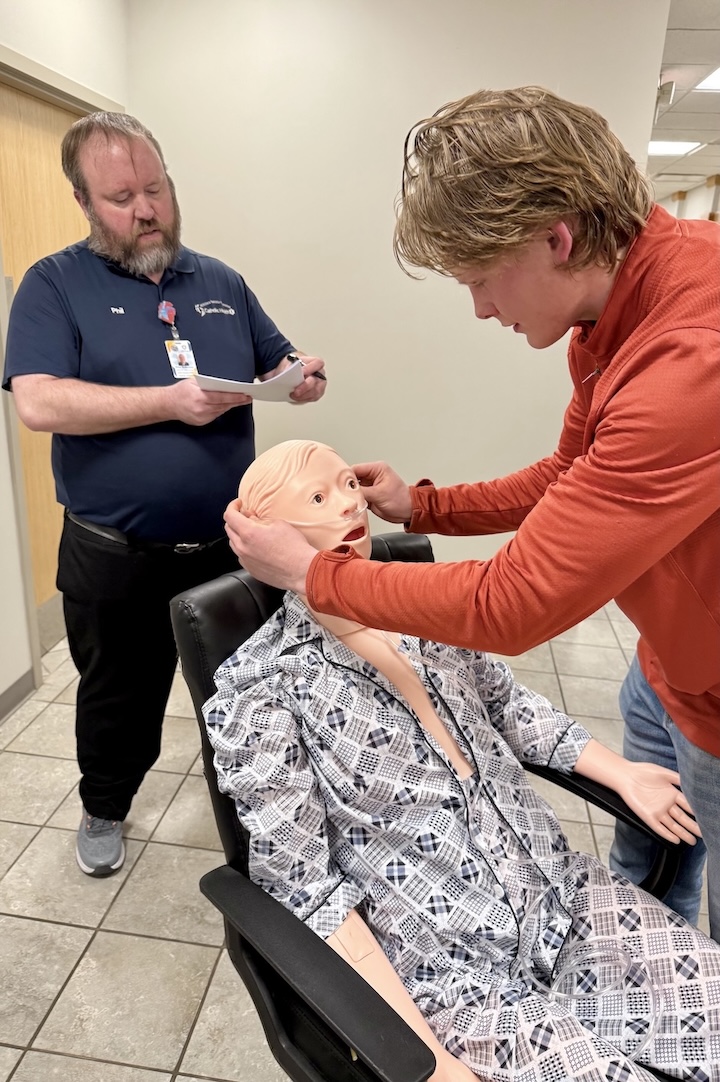
System Manager of EMS Emily James said, “(Monday) evening’s drill marked a milestone for Western New York. This was the first coordinated drill of its kind in the region – one that allowed EMS providers to simulate the entire continuum of an emergency medical response, from dispatch and on-scene patient care, to transport, and ultimately the seamless transfer of care to emergency department clinicians. This wasn’t a tabletop exercise; it was a full-scale, real-world simulation designed to mirror the moments that matter most when lives are on the line.
“The simulation exercise was built from conception to execution by the Catholic Health System EMS liaison team whose members include Philip Richardson, Taylor Zaccarine and Amanda Ohlson.
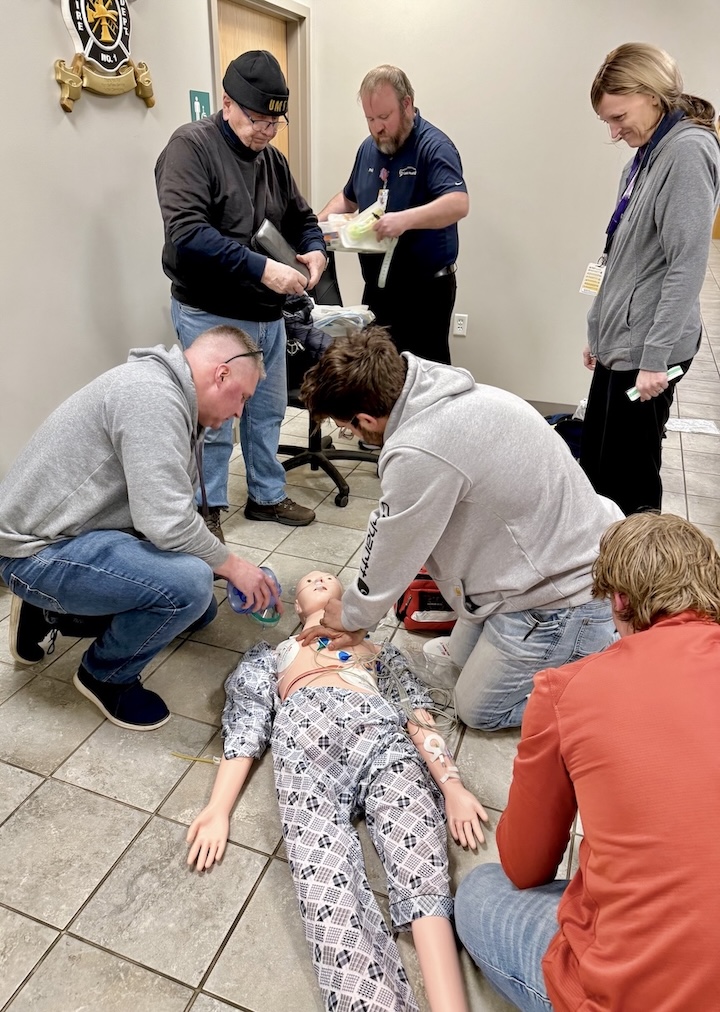
“Collaborative drills like this are not just valuable ... they are essential. In emergency medicine, seconds count, and patient outcomes depend on how well each link in the chain of survival functions and connects. When that chain is strong and coordinated, patients have a far greater chance of survival and recovery. This is precisely why the collaborative relationship between Catholic Health and our EMS partners is so critical. By strengthening the connection between prehospital care and in-hospital treatment, we are directly improving patient care, survival rates, and outcomes.
“(The) drill also provided EMS providers with firsthand experience inside the fully operational emergency department at Mount St. Mary’s Hospital. Participants not only saw how emergency care is delivered, but also that MSM has the capacity to admit patients to both the medical-surgical unit and the intensive care unit. This capability ensures Niagara County residents can remain in their community and receive state-of-the-art, critical care close to home.
“Firsthand knowledge is powerful. It equips EMS providers with the insight they need to make informed, confident decisions about where patients should be transported. These decisions can make the difference between life and death. Drills like these strengthen trust, sharpen coordination, and ensure that when the call is real, every provider is ready.”
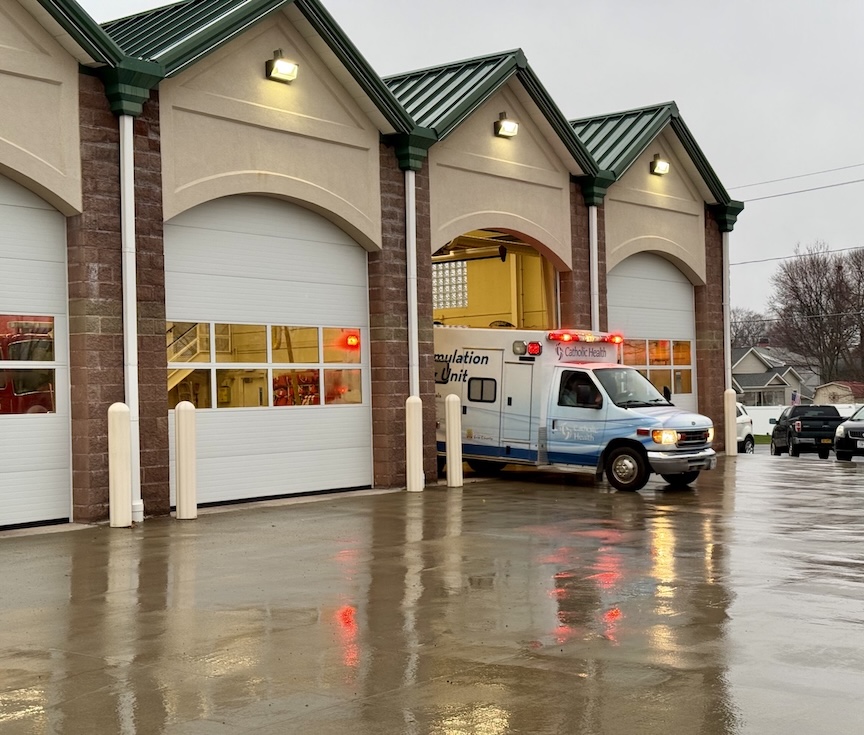
Incidentally, the simulation ambulance has a storied history, having served at Ground Zero almost 25 years ago. It was driven by Lewiston firefighters who assisted in the aftermath of 9/11.
(Information courtesy of Catholic Health and Lewiston Fire Co. No. 1)















1859 Whitehaven Road, Grand Island, NY 14072
Phone: 716-773-7676
Fax: 716-773-7190