+70
°
F
+74°
+58°
Niagara Falls
Thursday, 16
See 7-Day Forecast
Featured News - Current News - Archived News - News Categories
By Jessica Minicucci
Head of Marketing and Membership, Castellani Art Museum of Niagara University
There is a difference between learning how a museum works and being trusted to help one work.
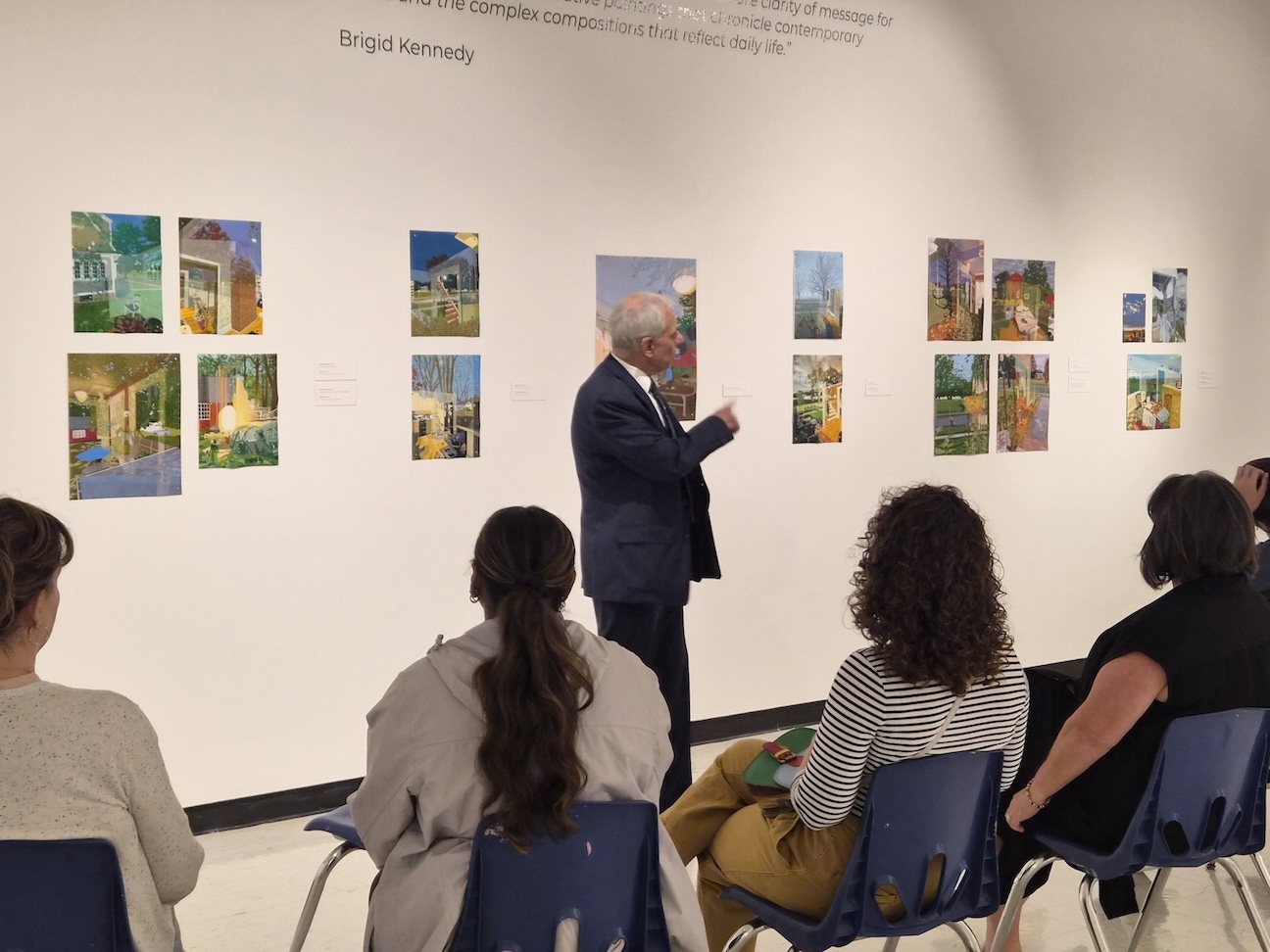
This fall, students in Niagara University’s art history with museum studies program will have the opportunity to experience that difference firsthand at the Castellani Art Museum (CAM).
They won’t simply study museums from a textbook or visit one for an afternoon. Through a renewed museum internship program, students will step behind the scenes and participate in the work required to operate a professional art museum – from collections and exhibitions to programming, communications and visitor experience. The internship requires 120 hours of professional experience and is intentionally designed to connect what students learn in the classroom with meaningful work in the field.
For students interested in museums, nonprofits, arts administration, and the humanities – that distinction matters. Experiential learning gives students an opportunity to apply their knowledge in a professional setting, work collaboratively, and begin imagining where their education could take them after graduation. Those are among the explicit goals of Niagara University’s museum internship course.
“The Castellani Art Museum is essential to our art history and museum studies program,” said Amelia Gallagher, professor in the department of religious studies and director of the art history with museum studies program. “Students get the opportunity to work extensively with both the staff and collection at the museum – to see first-hand how a museum actually functions. During a time when many universities and colleges are short-sightedly cutting their arts and humanities programs, the Castellani remains an anchor for the humanities at Niagara University.”
But lately, we’ve been asking ourselves another question at CAM: What happens when we invite hundreds of educators to take their expertise beyond the classroom and into the museum?
That question is helping shape the next phase of public programming at CAM.
Beginning this academic year, CAM is opening its programming calendar more intentionally to faculty from across Niagara University, inviting educators to propose public programs rooted in their areas of expertise.
And that expertise extends far beyond art history.
Niagara University’s faculty represent the humanities, sciences, business, education, health-related fields, and many other disciplines. We see an opportunity to connect that tremendous academic resource with people beyond the university.
“The Castellani Art Museum has long been integral to the educational experiences of our students,” said Dr. Jamie Carr, associate provost at Niagara University. “Over the years, faculty from across a variety of disciplines – from the humanities to the sciences to business classes – have found ways to connect course material to art. Faculty- and student-curated exhibitions, lectures, and other contributions to public programming highlight just a few of the ways the museum is an extension of the classroom.”
Our new faculty programming model builds upon that history while creating a more intentional pathway for participation.
Faculty whose proposals are selected will serve as the content experts and lead their programs, while CAM provides the infrastructure necessary to bring those ideas to a public audience. Our team will help connect proposals with exhibitions and the museum’s mission, coordinate logistics and registration, develop marketing and media outreach, and provide support before and during each program.
In other words, we’re asking educators to bring us their knowledge and ideas. We’ll help build the bridge between that expertise, the museum, and the public.
The result could expand what someone expects to encounter when walking into an art museum.
A work of art can lead to a conversation about history. An exhibition can become an entry point into environmental science, religion, literature, technology or culture. A question raised in a university classroom can become a conversation shared with neighbors from across Niagara County.
“By inviting faculty from across Niagara University to share their knowledge through public programming, CAM becomes a dynamic extension of the classroom – creating meaningful opportunities for students and the broader community to learn, connect and explore new ideas together,” said Michael Beam, interim director and curator of exhibitions at CAM.
That last part is important.
While CAM is located on Niagara University’s campus, the museum is not only for the university. Admission is accessible, and our exhibitions, many public programs and resources are here for the broader Western New York community to experience.
Our location gives us an extraordinary opportunity to serve as a meeting point between a university and the region around it.
Students learn by doing. Faculty can take their expertise beyond their classrooms. Visitors can encounter ideas and perspectives they might not otherwise have access to. And the museum can provide the space where all three come together.
We don’t simply want CAM to be the art museum located at Niagara University.
We want being located at Niagara University to fundamentally shape what kind of art museum CAM can be.
Because perhaps the most interesting classroom on a college campus is the one without desks – and with its doors open to everyone.
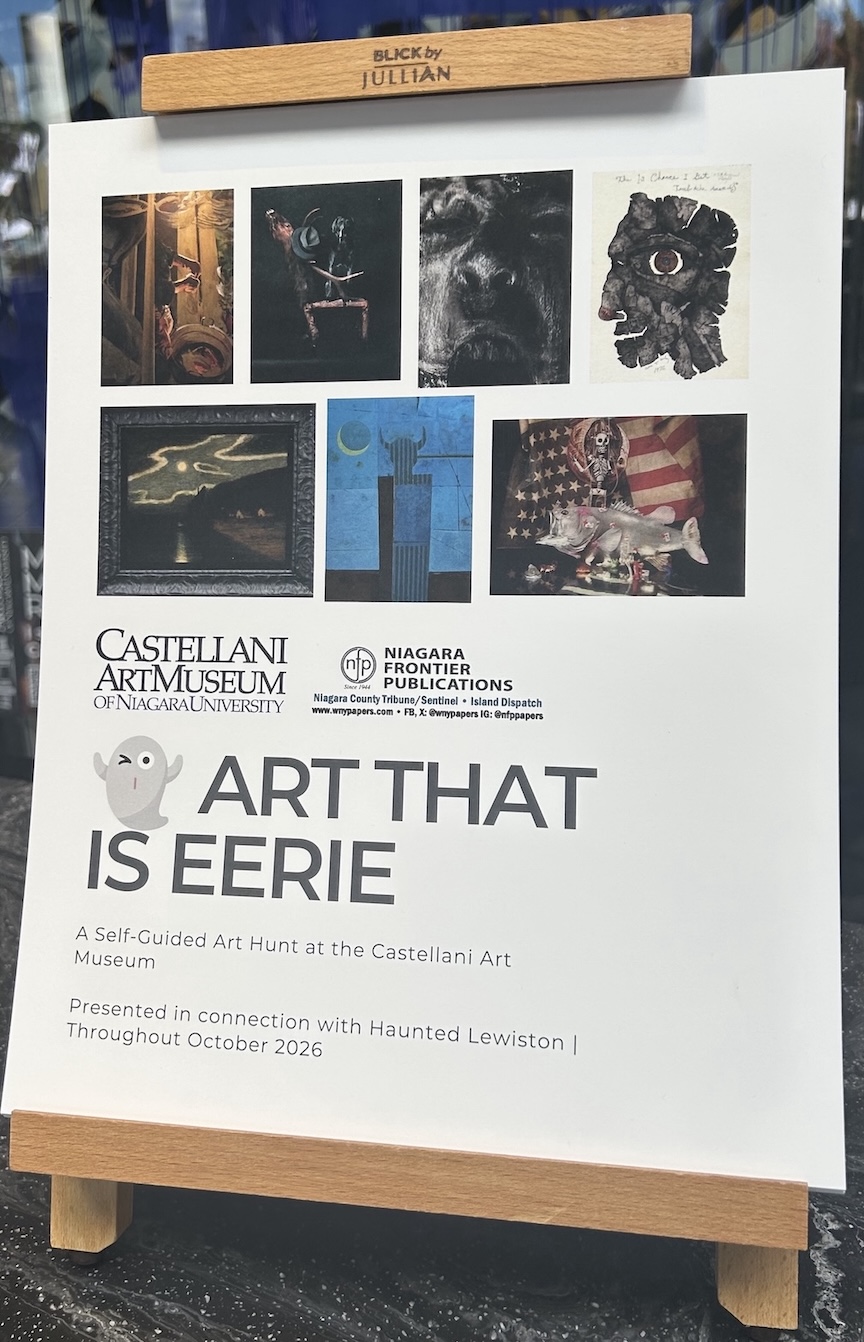
More about the Castellani Art Museum: With learning and public access at the heart of its mission, CAM is the premiere resource for the visual arts in Niagara County. The museum’s permanent collection includes over 5,000 pieces of modern and contemporary art, Niagara Falls art, and regional folk arts. CAM is committed to the preservation of these artworks, along with offering exhibitions and programs that serve the campus, local communities, and tourists.
For more information on the CAM, visit castellaniartmuseum.org, and follow CAM’s Facebook page, X @CAM_of_NU and Instagram @CastellaniArtMuseum.





1859 Whitehaven Road, Grand Island, NY 14072
Phone: 716-773-7676
Fax: 716-773-7190